
Supporting Children After Hemispherectomy
Guides for Educators
These guides have been developed specifically for early childhood educators and primary school teachers to support their understanding of the safety, accessibility and inclusion considerations for children who have undergone hemispherectomy surgery.
The purpose of these guides is to provide practical information to help educators and teachers support the safety, wellbeing and inclusion of children and young people after hemispherectomy, enabling them to participate as fully as possible in their education.
We encourage families to share these guides with their child’s educators and teachers to help create supportive, inclusive learning environments where their child has the best opportunity to thrive.
The Hemispherectomy Foundation Australia gratefully acknowledges funding from the Australian Government Department of Health, Disability and Ageing for the development of these resources.
Preschool Carers & Educators
Families may like to share this guide with their child’s preschool to support understanding in a warm and practical way. It introduces hemispherectomy using simple language and offers helpful strategies to support participation, safety and inclusion in early learning settings. With a strong focus on strengths and belonging, this guide also includes ideas to help young children build empathy and feel confident including peers who may learn, move or communicate differently.
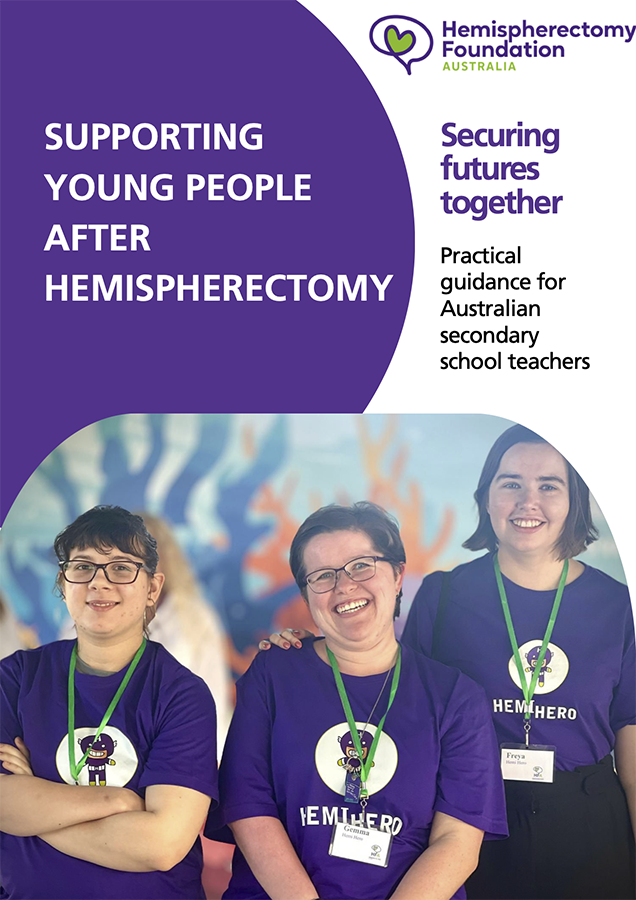
Secondary School Teachers
This guide is designed to help secondary schools support young people after hemispherectomy with confidence and understanding. It provides practical insights into learning, wellbeing, independence and inclusion during the adolescent years, along with realistic strategies to support participation, build peer understanding and help students thrive throughout their secondary school journey.
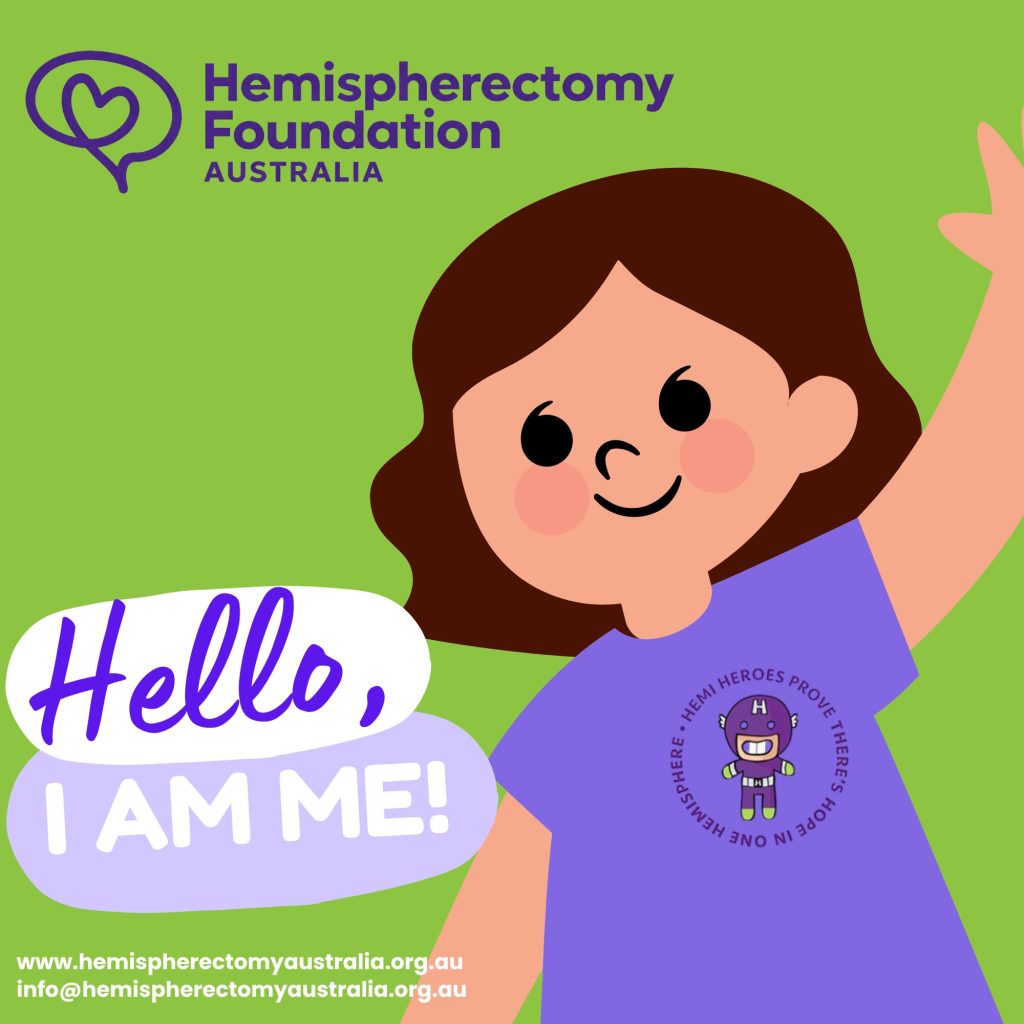
Preschool Social Story
Families might like to share this social story with their child's preschool. The storybook is designed to help young children understand, in a safe and reassuring way, why your child may look, move, communicate, learn or participate differently. The storybook introduces these differences using simple language, gentle illustrations and positive, strengths-based messages that can help build empathy and understanding in young children.
Primary School Teachers
This guide is a helpful starting point for schools supporting a child after hemispherectomy. It provides clear, practical insights into how a child may experience learning, movement and school life, along with realistic strategies teachers can use in the classroom. Grounded in a strengths-based approach, it also encourages inclusive classroom cultures – supporting peer understanding, confidence and full participation across all aspects of school.